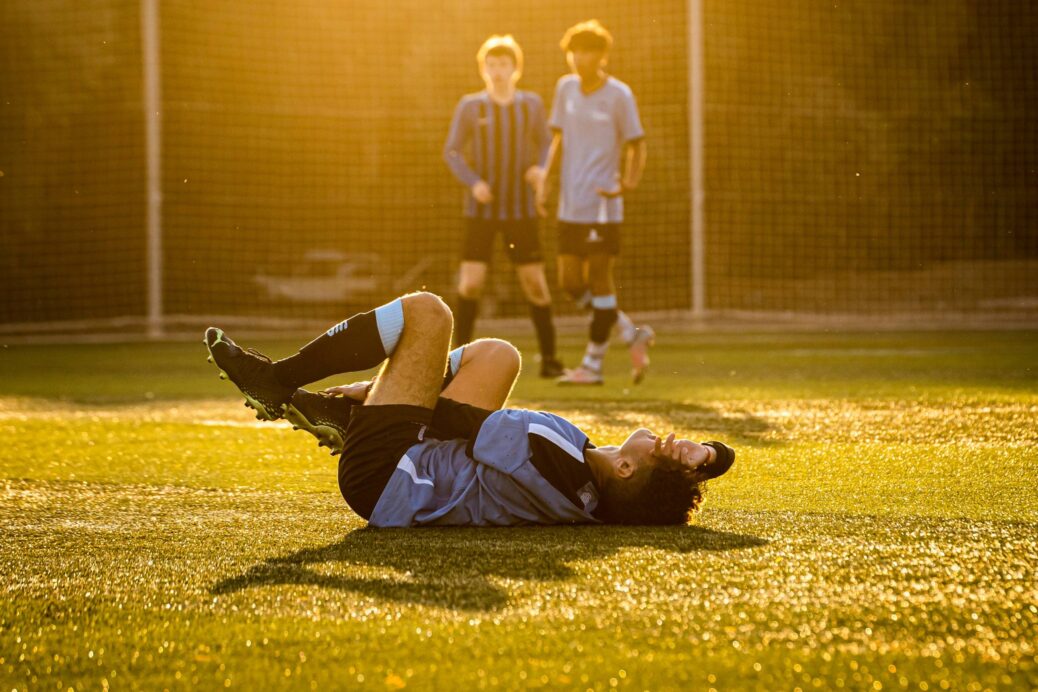
One of the hardest parts of recovering from a sports injury is deciding when you’re ready to get back in the game, gym, running route, or activity you love.
Pain improving is encouraging, but sports injury recovery involves more than waiting until something stops hurting. Mobility, strength, stability, coordination, and confidence in the injured area can all influence whether you’re ready to safely increase your activity level.
Returning too quickly can aggravate an injury or encourage compensations that place additional stress elsewhere in the body. Waiting unnecessarily long can also make returning to your previous activity level more difficult.
The safest approach is a gradual return based on your specific injury, symptoms, function, and professional guidance when appropriate.
Why Pain Relief Doesn’t Always Mean an Injury Has Healed
Pain is an important signal, but it isn’t a perfect measurement of tissue recovery or physical readiness.
You may experience significantly less discomfort while still having:
- Restricted range of motion
- Muscle weakness
- Joint instability
- Poor balance
- Reduced flexibility
- Altered movement patterns
- Tenderness under greater loads
This is especially important for athletes because training and competition place substantially greater demands on the body than ordinary daily activities.
The goal isn’t simply to walk around without pain. You need to tolerate the movements and forces your activity requires.
Signs You May Be Ready to Return to Activity
There is no universal checklist that clears every athlete, but several factors are commonly considered during athletic injury recovery.
Depending on the injury, you may need:
- Little or no pain during normal movement
- Functional range of motion
- Adequate strength
- Good balance and stability
- Ability to perform basic movements without compensation
- Ability to tolerate progressively greater activity
- Confidence using the injured area
A runner may need to tolerate walking and light jogging before returning to normal mileage. A basketball player may need to progress through running, jumping, landing, and directional changes. A weightlifter may need to rebuild load gradually rather than immediately returning to previous working weights.
Why Returning to Sports Too Soon Can Be a Problem
Athletes are often motivated to return as quickly as possible. Unfortunately, motivation doesn’t necessarily mean the body is ready.
Returning prematurely may cause you to compensate for weakness or restricted mobility. For example, favoring one leg can alter movement at the hips, knees, ankles, and lower back.
These compensations may reduce performance and potentially contribute to additional problems.
The site’s comprehensive guide to sports injuries, their causes, and chiropractic care explains how both acute trauma and repetitive overuse can affect athletes.
Gradually Increase Activity
A successful return usually involves progression rather than going directly from rest to full activity.
Depending on the injury and sport, progression might look like:
- Comfortable everyday movement
- Mobility exercises
- Controlled strengthening
- Low-impact activity
- Sport-specific movement
- Increased speed or resistance
- Controlled practice
- Full return to activity
Your progression may be very different depending on your injury.
If symptoms consistently return when intensity increases, that may indicate the injured area isn’t ready for the current workload.
Watch for Warning Signs During Sports Injury Recovery
As activity increases, pay attention to what your body is telling you.
Potential warning signs include:
- Increasing pain
- New swelling
- Recurring stiffness
- Reduced range of motion
- Weakness
- Joint instability
- Numbness or tingling
- Altered running or movement mechanics
- Pain that persists after activity
- Symptoms that worsen from one workout to the next
Trying to push through these problems can turn a manageable setback into a more persistent issue.
How Can Chiropractic Care Support Sports Injury Recovery?
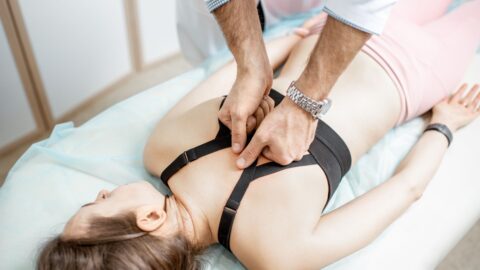
Chiropractic care can play a role in recovery from appropriate musculoskeletal sports injuries by addressing joint mobility, muscle tension, movement restrictions, and spinal function.
For an athlete, the goal isn’t simply symptom relief. Treatment should support the movement demands required for returning to activity.
Depending on the injury, care may focus on:
- Improving joint mobility
- Restoring range of motion
- Reducing muscle tension
- Addressing movement restrictions
- Supporting better biomechanics
- Identifying compensatory movement patterns
- Providing guidance for gradual return to activity
Epstein Chiropractic Center’s chiropractic conditions resource includes sports injuries among the musculoskeletal problems evaluated in the practice.
Acute vs. Overuse Sports Injuries
How you return to activity also depends on how the injury occurred.
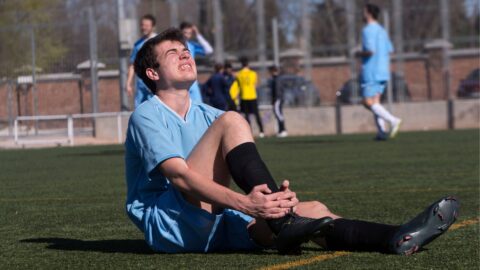
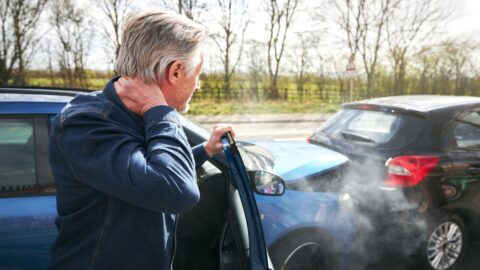
An acute injury happens suddenly, such as during a fall, collision, awkward landing, or unexpected twist.
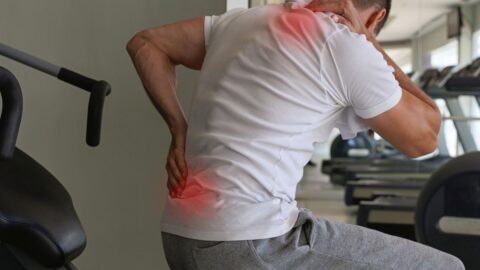
An overuse injury develops gradually as repeated movement places more stress on tissues than they can adequately recover from.
With an overuse injury, simply waiting for pain to decrease and then returning to the exact same training pattern may recreate the problem. Training volume, technique, mobility, recovery time, and movement mechanics may all need to be considered.
When Should You Seek Professional Evaluation?
Consider having a sports injury evaluated when:
- Pain persists for more than a few days
- The same injury repeatedly returns
- Your mobility has changed
- You cannot perform normal activities comfortably
- You experience numbness or tingling
- A joint feels unstable
- Symptoms worsen when training resumes
- You’re unsure when it is safe to return
Severe trauma, suspected fractures, dislocations, significant swelling, inability to bear weight, or serious neurological symptoms require appropriate medical attention.
Sports Injury Recovery in Elizabeth, NJ
Getting back to activity should be about returning confidently, not simply returning quickly.
Epstein Chiropractic Center helps active individuals in Elizabeth, NJ evaluate musculoskeletal injuries, improve mobility, and develop an appropriate path back toward normal activity.
If an injury is keeping you on the sidelines or repeatedly returning when you exercise, schedule a sports injury evaluation with Epstein Chiropractic Center and determine your next step.
Frequently Asked Questions About Sports Injury Recovery
How do I know when it's safe to exercise after an injury?
Readiness depends on the injury, but pain levels, mobility, strength, stability, and ability to perform activity-specific movements are all important. Significant injuries should be professionally evaluated before returning to strenuous activity.
Can I return to sports if the pain is gone?
Not necessarily. Pain relief is important, but an injured area may still have weakness, restricted mobility, instability, or altered movement mechanics that affect readiness.
How long does sports injury recovery take?
Recovery time varies widely depending on the tissue involved, severity of the injury, overall health, activity demands, and rehabilitation process. Minor strains may recover relatively quickly, while more substantial injuries can require much longer.
Can chiropractic care help with sports injury recovery?
Chiropractic care may support recovery from appropriate musculoskeletal sports injuries by addressing joint mobility, movement restrictions, muscle tension, and other mechanical factors. Treatment should be individualized to the athlete and injury.
Why does my sports injury keep coming back?
Recurring injuries can be associated with incomplete recovery, returning to activity too quickly, excessive training load, movement restrictions, weakness, poor mechanics, or other unresolved factors. Repeated injuries deserve evaluation to determine why the same area continues to become symptomatic.