
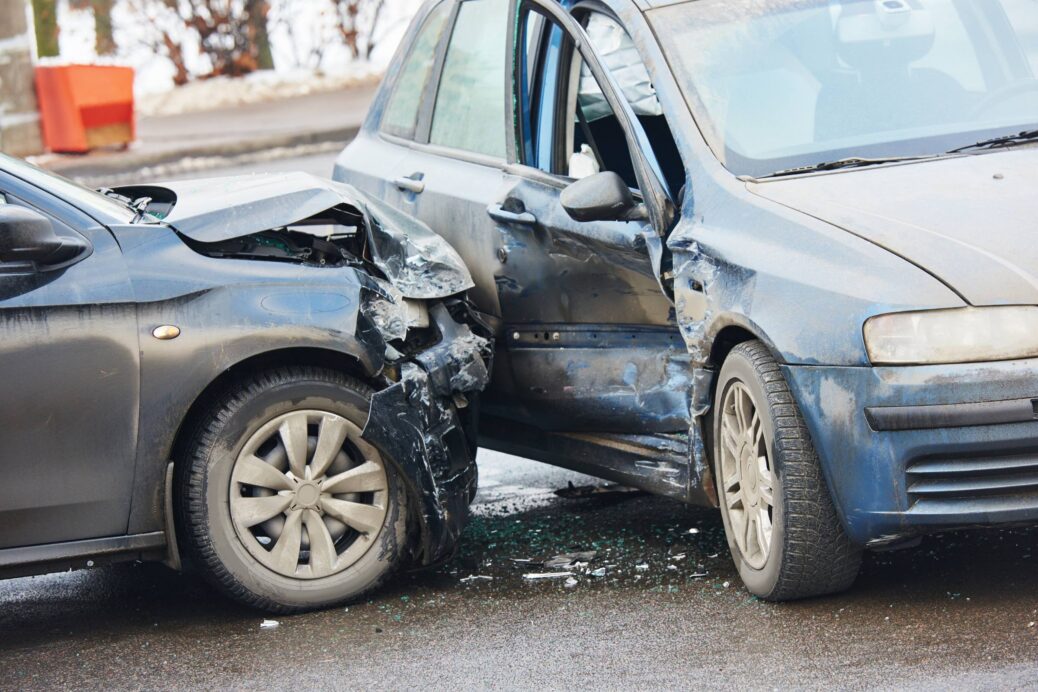
You walk away from a car accident feeling shaken but physically fine. The next morning your neck feels stiff. A day later your lower back starts hurting. Soon, headaches or shoulder pain appear.
Experiencing delayed pain after a car accident can be confusing, but the absence of immediate pain does not necessarily mean you avoided injury.
Some car accident injuries produce symptoms right away. Others become noticeable hours or days later as the body’s immediate stress response subsides and inflammation or soft-tissue irritation develops.
Understanding why this happens can help you recognize symptoms that deserve attention rather than assuming new discomfort is unrelated to the collision.
Why Can Pain Be Delayed After a Car Accident?
Pain can be delayed after a car accident because the body’s acute stress response can temporarily change how you perceive pain. Meanwhile, irritation involving muscles, ligaments, joints, and other tissues may become increasingly noticeable after the initial impact.
A collision is a stressful event. Your body reacts immediately, even before you’ve had time to process what happened. This helps explain why someone can feel reasonably well at the scene but experience pain days after a car accident.
Delayed symptoms don’t automatically indicate a severe injury, but they shouldn’t automatically be dismissed either.
What Delayed Symptoms Should You Watch For?
Post-accident symptoms vary depending on the forces involved and structures affected.
Watch for:
- Neck pain or stiffness
- Lower or mid-back pain
- Headaches
- Shoulder pain
- Muscle soreness
- Reduced range of motion
- Dizziness
- Fatigue
- Tingling or numbness
- Pain radiating into an arm or leg
- Difficulty sleeping
- Difficulty concentrating
Epstein Chiropractic Center’s chiropractic conditions guide covers several symptoms and injuries that may occur following accidents, including whiplash, neck pain, headaches, and back pain.
Whiplash Is a Common Cause of Delayed Neck Pain
Whiplash is strongly associated with motor vehicle collisions and may not cause obvious symptoms immediately.
A sudden acceleration-deceleration movement can strain structures within the neck. As soreness and stiffness develop, you may notice increasing difficulty turning your head, headaches around the base of the skull, shoulder discomfort, or upper-back tension.
This is one reason Epstein Chiropractic Center’s guide explaining why you may need a chiropractor after a car accident emphasizes evaluation even when symptoms aren’t immediately obvious.
Delayed Back Pain After a Car Accident
The neck isn’t the only area affected by a collision.
Back pain after a car accident can appear later as inflammation, muscle guarding, stiffness, and restricted movement develop.
Symptoms might include:
- Lower-back aching
- Mid-back stiffness
- Pain when bending
- Discomfort after sitting
- Muscle spasms
- Difficulty getting comfortable at night
- Pain extending toward the hip or leg
New neurological symptoms such as significant numbness, weakness, or changes in bowel or bladder function require prompt medical attention.
Why You Shouldn’t Ignore Delayed Car Accident Injuries
It’s easy to dismiss mild soreness after a collision, particularly if there was little visible vehicle damage.
But vehicle damage and human injury are not the same thing.
Musculoskeletal injuries can affect muscles, ligaments, joints, and spinal movement without creating an immediately obvious external injury.
Ignoring symptoms can also make it difficult to understand whether they’re improving, remaining unchanged, or worsening.
Epstein Chiropractic Center’s broader accident and injury care information explains why evaluation is important following accidents that result in physical pain.
How Soon Should You Get Checked After an Accident?
If you develop pain, stiffness, headaches, numbness, tingling, reduced mobility, or other concerning symptoms following a collision, consider seeking appropriate evaluation promptly.
Emergency symptoms should receive emergency medical attention. These can include severe headaches, loss of consciousness, confusion, chest pain, difficulty breathing, significant weakness, severe abdominal pain, or rapidly worsening neurological symptoms.
For musculoskeletal symptoms, an evaluation can help determine which areas have been affected and whether chiropractic care or another type of treatment is appropriate.
How Chiropractic Care May Support Accident Recovery
For appropriate musculoskeletal injuries, chiropractic care may help address movement restrictions, joint dysfunction, and muscle tension following a collision.
Treatment should begin with an evaluation rather than assumptions about the injury.
Depending on the patient’s condition, care may focus on:
- Improving mobility
- Addressing joint restrictions
- Reducing muscle tension
- Restoring comfortable movement
- Supporting gradual return to normal activities
- Monitoring recovery over time
The treatment plan should reflect the individual injury rather than applying the same approach to every accident patient.
Delayed Car Accident Pain in Elizabeth, NJ
Pain appearing after a collision can leave you wondering whether it’s related to the accident and what you should do next.
Epstein Chiropractic Center works with patients in Elizabeth, NJ experiencing musculoskeletal symptoms following car accidents and other injuries.
Instead of waiting and hoping persistent pain disappears, schedule an evaluation with Epstein Chiropractic Center to discuss your symptoms and determine an appropriate next step.
Frequently Asked Questions
Can pain from a car accident start several days later?
Yes. Some musculoskeletal symptoms may become noticeable hours or days after a collision as the immediate stress response subsides and soreness, stiffness, or inflammation develops.
What injuries can have delayed symptoms after a car accident?
Whiplash and other soft-tissue or musculoskeletal injuries may produce delayed symptoms. Neck pain, back pain, headaches, stiffness, and reduced range of motion are common concerns following collisions.
Why does my back hurt two days after a car accident?
A collision can strain muscles, joints, ligaments, and other structures in the back. Symptoms may become more noticeable as stiffness and inflammation develop after the accident.
Should I get checked if I felt fine immediately after the accident?
If new pain, stiffness, headaches, neurological symptoms, or other concerns develop afterward, an evaluation can help determine whether an injury occurred and what care may be appropriate.
How long after a car accident can whiplash symptoms appear?
Whiplash symptoms don’t always begin immediately. Neck stiffness, pain, headaches, and reduced mobility may become noticeable during the hours or days following a collision.